The campaign didn't perform. So the plan is a new campaign. New idea, new shoot, new budget.
Sometimes that's right. Often it's not. Often the film was fine and the first three seconds were the problem.
People decide whether to keep watching almost instantly. If the opening doesn't grab them, they never see the clever middle or the beautiful product shot. You didn't make a bad film. You made a film nobody got to.
Same film, three doors
The cheapest test in advertising is this: keep the body of the film and make three different openings.
Not three colours of the same title card. Three genuinely different ways in:
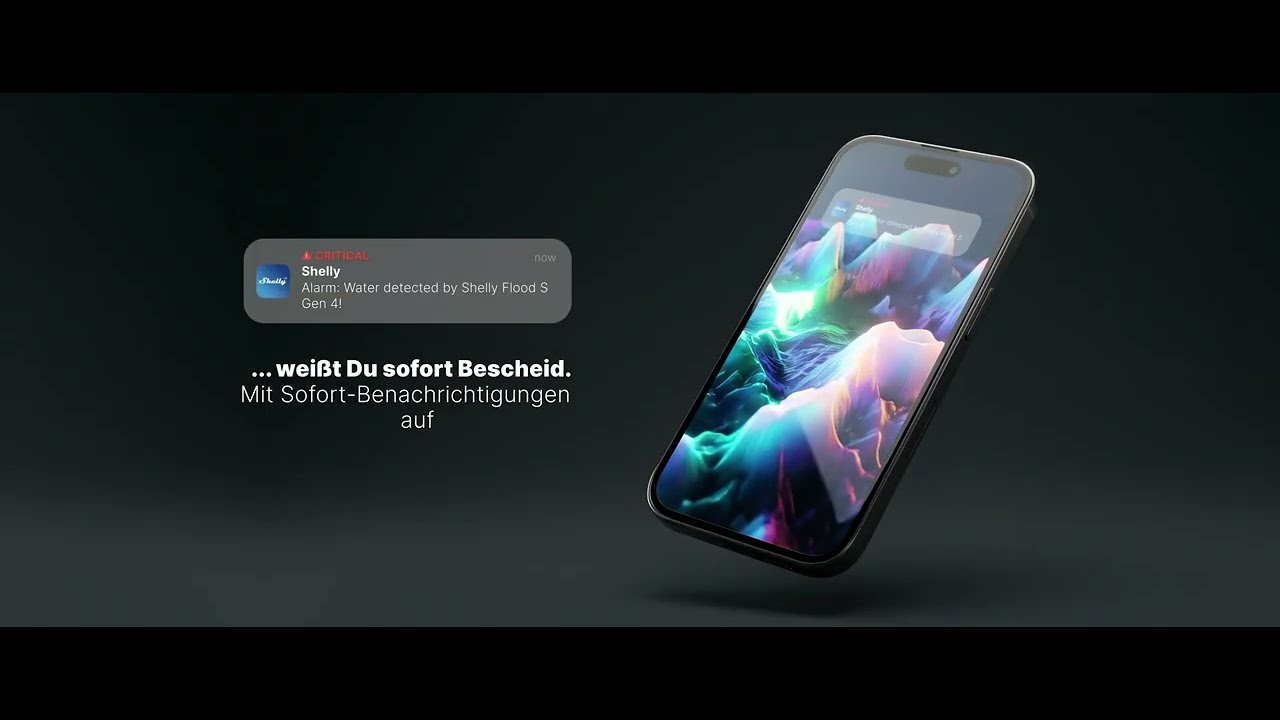
- Start with the problem. Water spreading across the floor.
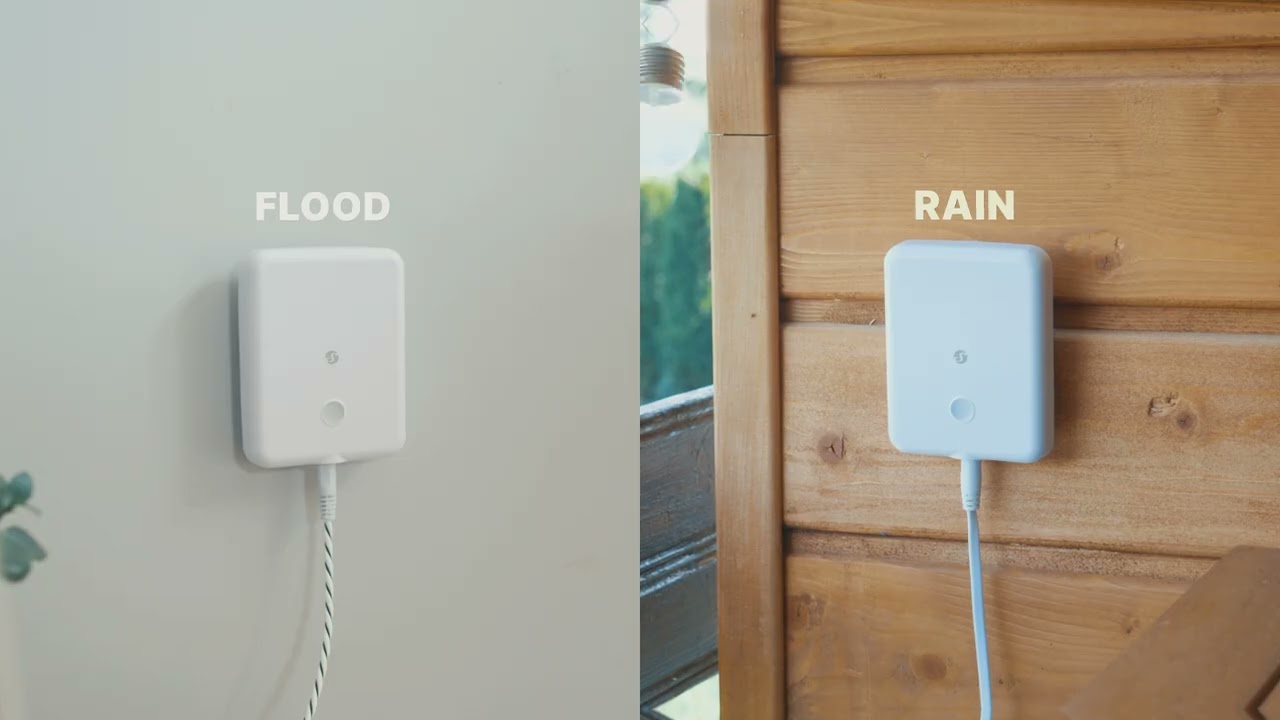
- Start with the result. The calm, finished, happy room.
- Start with a surprise. Something that makes people go "wait, what?"
We plan these at the script stage, so they're shot or generated at the same time as everything else. It adds very little to the budget compared to a new campaign.
Change one thing at a time
If you change the opening, the music, the length and the offer all at once, you'll get a winner and no idea why it won.
So for the test, everything else stays the same: the audience, the budget, the landing page, the offer. Only the opening changes. Then you actually learn something.
Decide what "better" means before you launch
Is it watch time? Clicks? Sales? Leads that actually buy? Agree on it before the ads go live. Otherwise everybody picks the number that proves their favourite version.
And look past the first number. An opening that gets lots of clicks from the wrong people isn't a winner.
Who does what
We make the creative: the hooks, the versions, the formats. Your team or your media partner runs the ads and reads the data. Then we sit down together and decide what the next version should be.
That's the part I like most. Every round, the films get sharper, because they're built on what real people did, not on what we guessed in a meeting.
Make the next decision smaller
You don't need a new big idea every quarter. You need to know which of your openings works, which use case people respond to, and which format pulls its weight. Then you make more of that.
Want to get more out of the film you already have? Tell us about it - sometimes the fix is three seconds long.