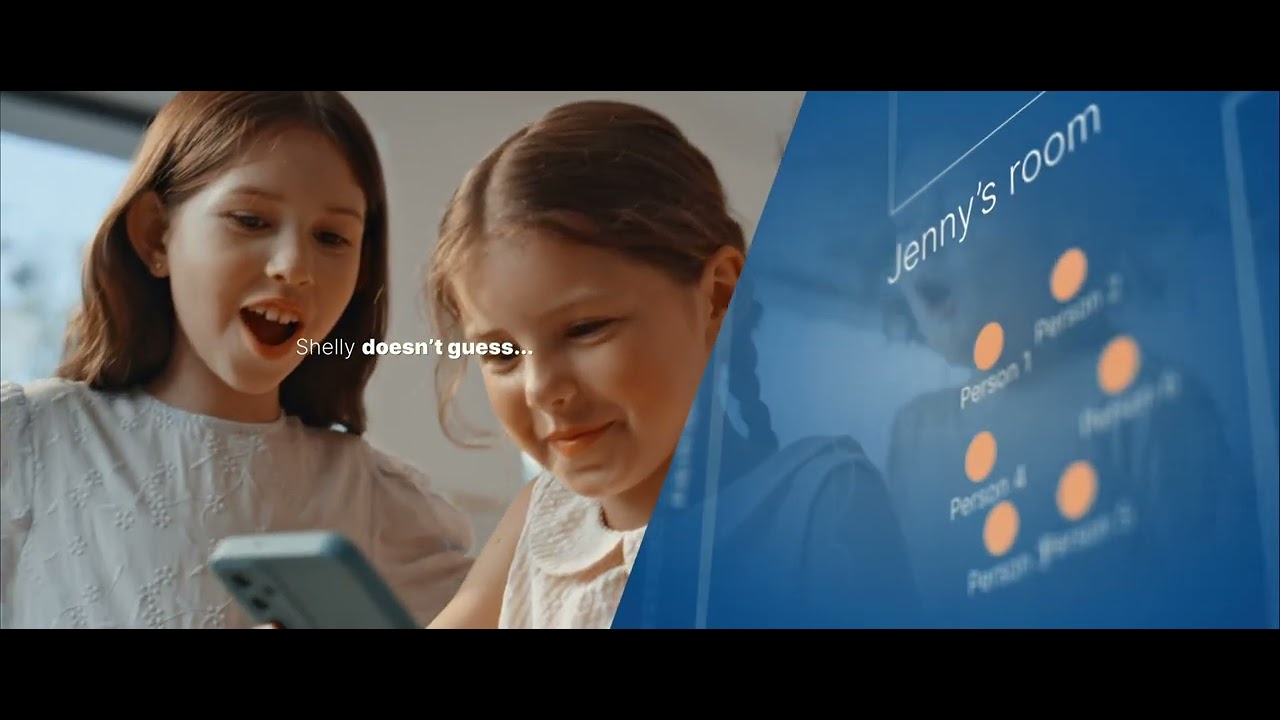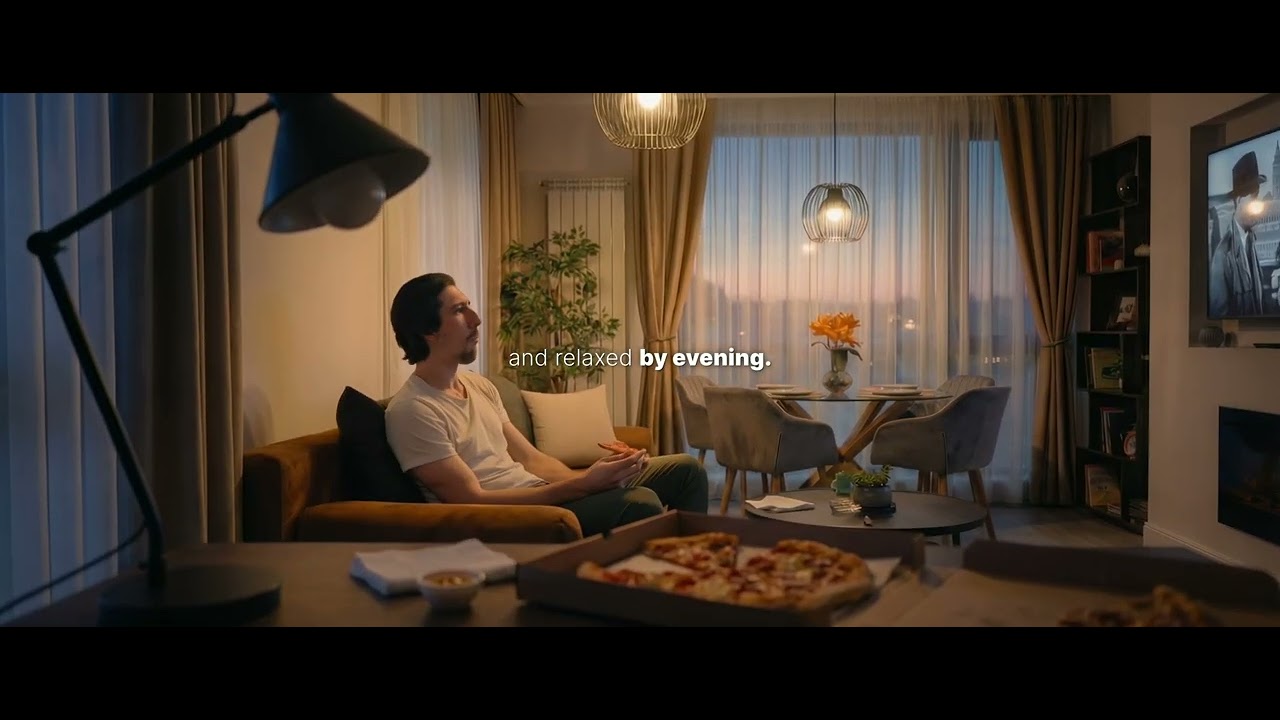

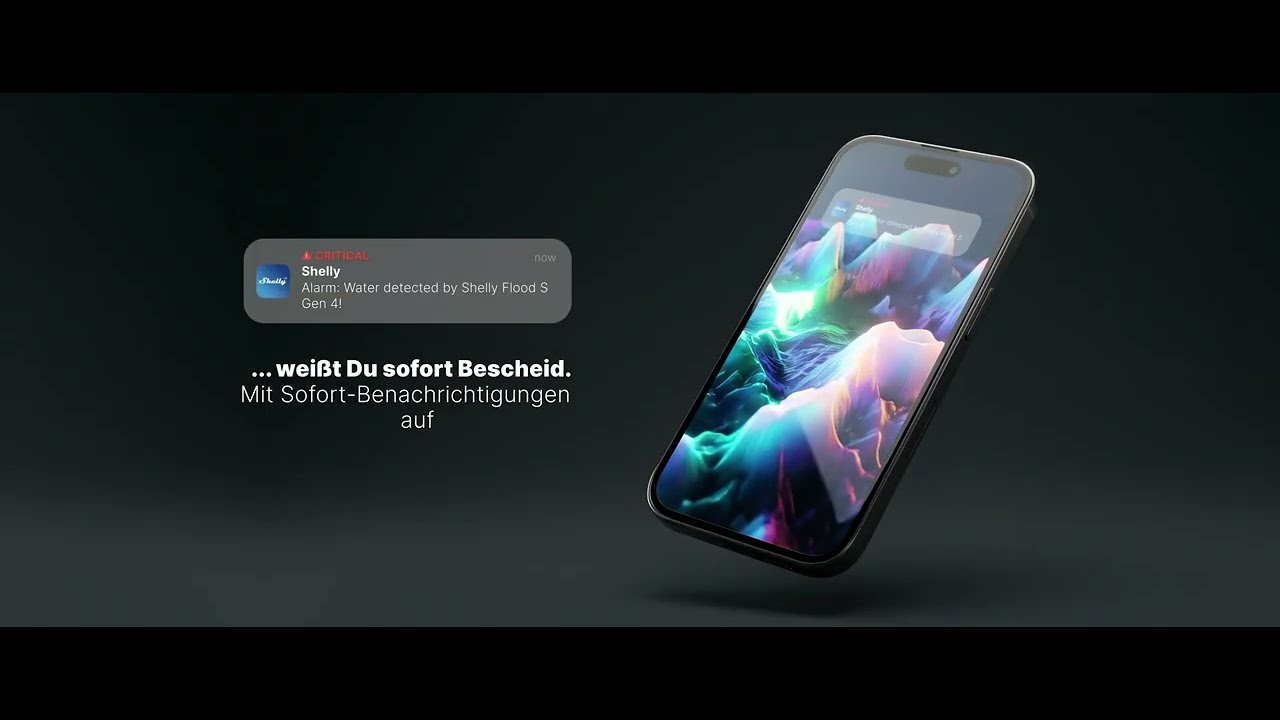
The room looks amazing. The light is perfect. The camera move feels like a five-figure shoot.
Then someone from the product team says: "Why does it have two buttons? It has one."
That's the AI product video problem in one sentence. The models are brilliant at making things look good. They have no idea what your product actually is.
We make a lot of AI video. The Shelly Flood S Gen4 film was made with AI-generated footage. Bulbs Gen3 and Presence Gen4 mix AI scenes into live action. So this isn't theory - it's the stuff we check every week.
The product drifts
AI video doesn't copy your product. It reimagines it every frame. A logo that's sharp at second one is melting at second three. Ports move. The LED changes colour. The proportions stretch when the camera turns.
A still frame can pass review and the moving shot still be wrong. So we never approve an AI shot from a thumbnail. We watch it at full speed, then frame by frame at the start, the middle and the end.
Start from the real thing
Every AI product shot starts from approved references: real product photos from several angles, exact dimensions, the correct colour, the correct market version. We write down what must never change - the shape, the buttons, the logo position, the label, the lights.
If the product is still a prototype, we agree with the client which details can be shown at all. Better to keep a detail out of the film than to invent it.
Check what it does, not just how it looks
Accuracy isn't only visual. If the shot shows someone pressing the button and the lights coming on, that has to be how the product really works. If the app screen appears, it has to be the real app screen, not something the model dreamed up.
An AI shot that shows a feature the product doesn't have isn't creative. It's a problem waiting for a customer complaint.
Mix methods when precision matters
The answer isn't always "more AI". Very often the best shot is an AI-generated world with the real product composited in - from a 3D model or a real product photo. The AI builds the room. The product stays the product.
And sometimes the honest answer is: just film it. If the product needs to be in someone's hand, close-up, turning, catching the light, a camera is often faster and more accurate.
One person signs off on the facts
We separate two approvals. Marketing approves the story and the mood. Someone who knows the product approves the facts. Those are different skills and they should be different signatures.
And once a shot is approved, that version is locked. Otherwise an earlier, wrong version sneaks into the German cut-down three weeks later.
The real question
The question isn't "can people tell it's AI?" It's "is this the product they'll get in the box?"
If the answer is yes, AI is an amazing tool. It lets us build worlds that would cost a fortune to shoot. If the answer is no, the film is lying, no matter how pretty it is.
Planning an AI product video? Talk to us before you generate the first shot.