
Every product brief I get has the same attachment. A spec sheet. Sometimes two pages, sometimes eleven. Wi-Fi, Bluetooth, the app, the materials, the certifications, the warranty, the three colours.
And somewhere in the email there is a sentence like: "We'd like to show all the key features."
I understand why. Someone spent two years engineering that sensor. Leaving it out of the ad feels like throwing their work in the bin.
But here is what happens when you put twelve features into thirty seconds. The viewer remembers none of them. They remember that there was a device, some text flew in, and there was music. That's not an ad. That's a spec sheet with a soundtrack.
Pick the moment, not the feature
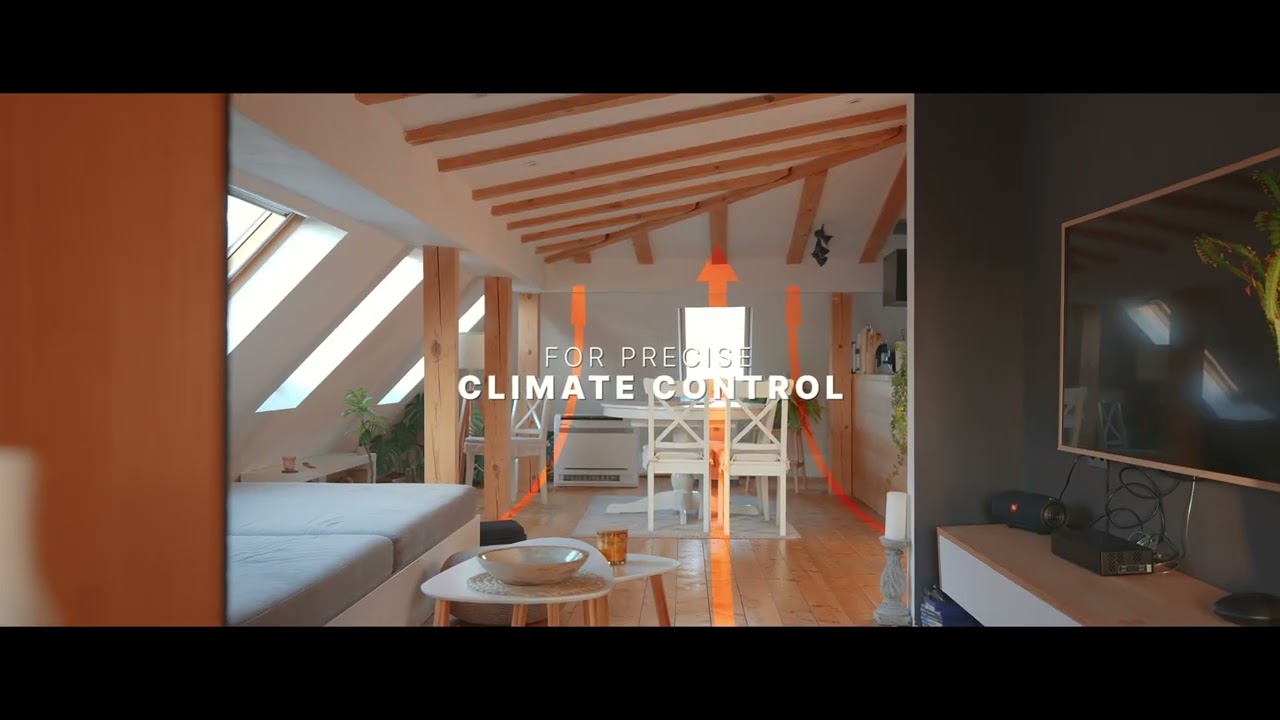
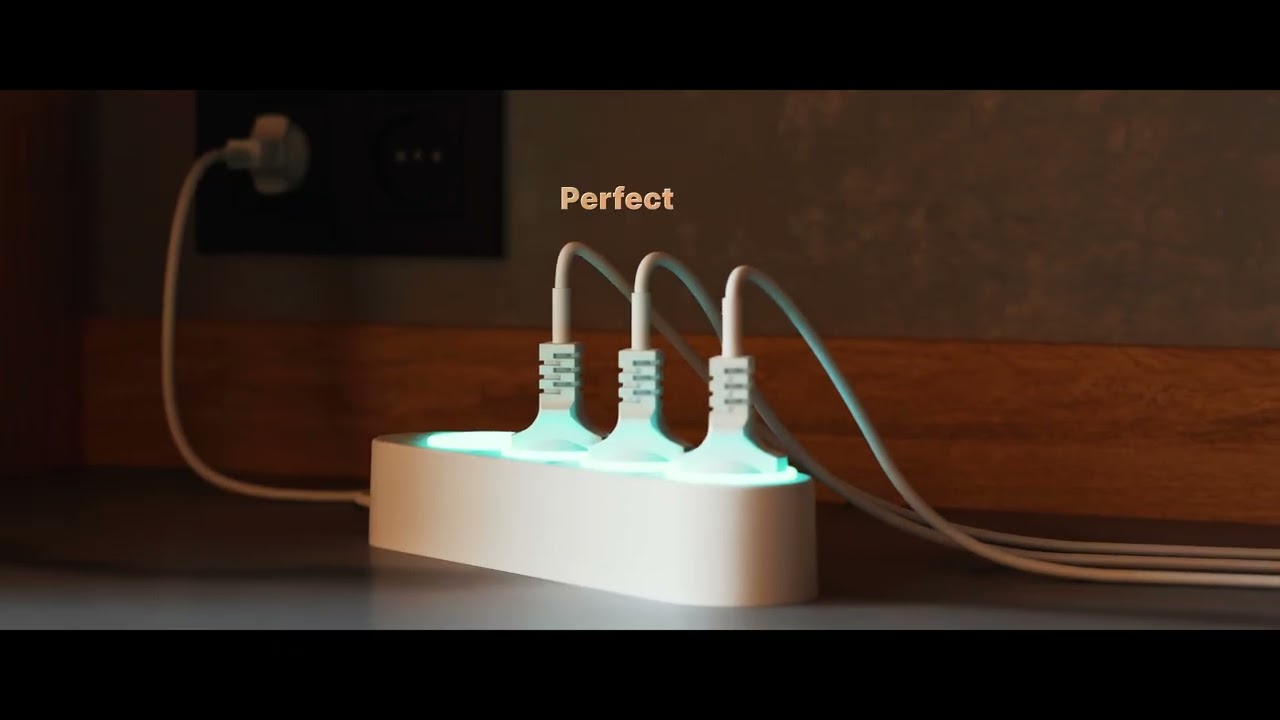
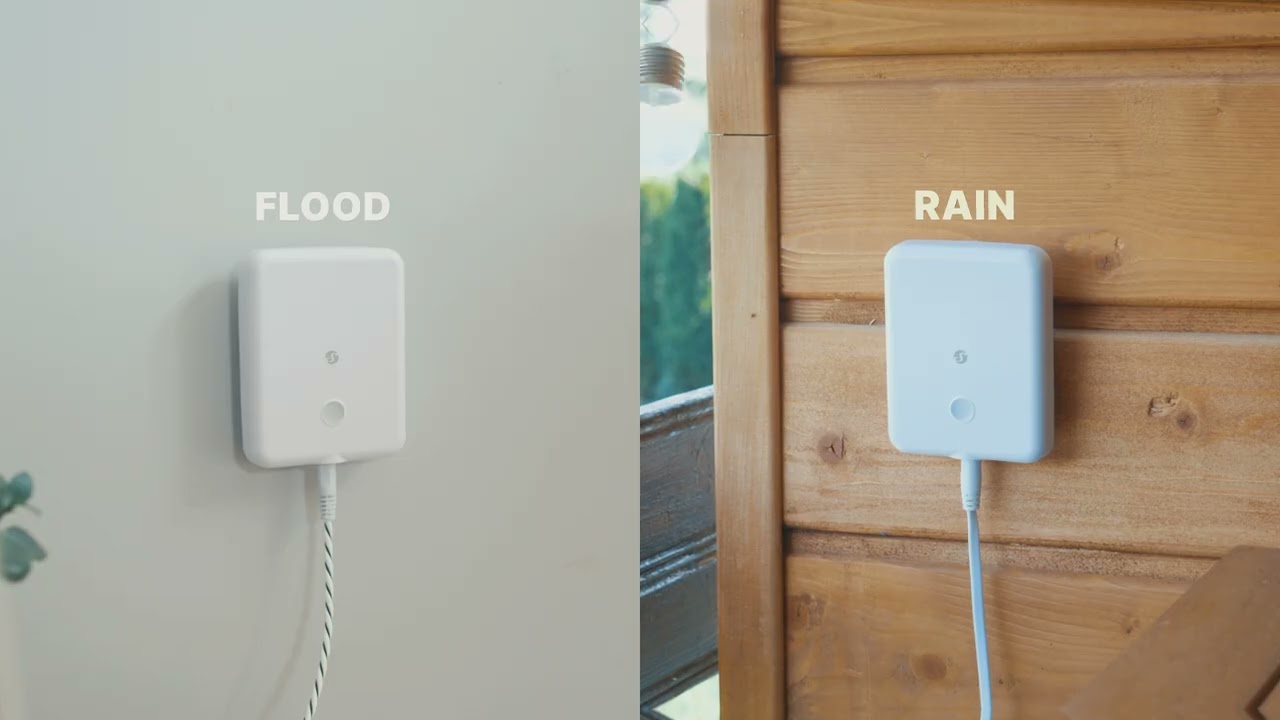
When we wrote the film for the Shelly Flood Gen4 - a water leak sensor - the honest problem was this: a leak sensor is boring until the floor is wet. Nobody cares about the IP rating. They care about the moment they find water under the washing machine.
So the script is built around that moment. We shot it with real water, on a real floor. The features show up because they matter in that moment, not because they were on the list.
That's the whole method, really. Take every feature and write next to it the moment in someone's life where it changes something. If a feature has no moment, it doesn't go in the hero film. It goes on the product page, where people who want it will find it.
The spec sheet still has a job
I'm not saying the details don't matter. I'm saying they don't all belong in the same thirty seconds.
A good launch has layers. One hero film that makes people care. A few short cuts, each answering one question: how do I install it, what does the app look like, does it work with what I already have. Then the product page for the people who want every number.
On most Shelly launches that's one hero film, three social cuts and a set of lifestyle images. On Flood Gen4 it was five cuts, because the product had more questions to answer. The point is that every piece has one job.
The test I use
Before a script goes to the client, I ask myself one question: if someone watches this once, on their phone, half-distracted, what is the one thing they will repeat to someone else?
If I can't answer in one sentence, the script isn't ready.
Then, once there's a rough cut, we show it to someone who has never seen the product. No explanation. We just ask: what was that, who is it for, and who made it? Their answer tells you more than any internal review.
What this means for you
If you're about to brief a product video, don't send us the list of features you want to include. Send us the list, and tell us which customer you're trying to win and what you want them to do after watching.
We'll find the moment. The features will follow.
Got a product that's hard to explain in thirty seconds? Tell us about it. That's usually where the best ideas start.