
Most viewers have never heard the word "compositing". They can still tell when something is pasted on.
They can't explain it. They just feel that the product looks a bit too clean, the light on it comes from the wrong side, or it doesn't quite sit on the table. And the moment they feel that, the film loses them.
Almost everything we make now mixes techniques. Live action, 3D, motion design, AI-generated shots - often in the same thirty seconds. The hard part is never the spectacular shot. It's the seam between two shots made in different ways.
A real example: the empty wall
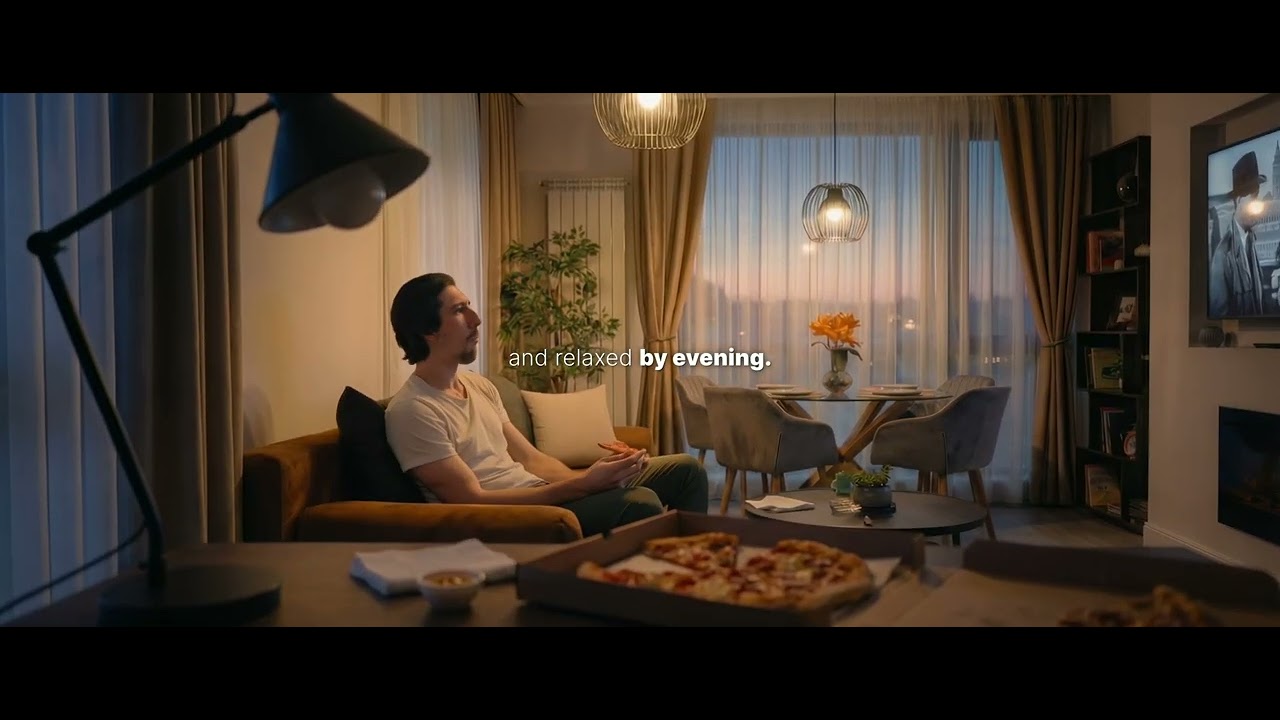
The Shelly Wall Display film is a good one to explain this. The room is real - filmed in a rented apartment. The wall the display hangs on is also real. The display isn't. On set the wall was empty. The product was added in 3D afterwards.
For that to work, the 3D has to obey the room. Same camera lens. Same perspective. Same light direction and colour. Reflections on the glass have to show what's actually in that room. If any of that is off, the display looks like a sticker.
That's planned before the shoot, not fixed after. You shoot with the 3D in mind: you record the camera data, photograph the light, and leave space in the frame for the thing that isn't there yet.
Colour grading won't save you
A lot of people think the grade is where everything gets glued together. Throw the same look over it and it will feel like one film.
It helps. It doesn't fix a product that sits at the wrong angle, a shadow that's missing, or a generated shot where the camera moves like a drone while the rest of the film is on a tripod.
Matching is about much more than colour: lens, movement, grain, sharpness, the way light falls off. AI footage especially tends to be too smooth and too perfect next to real footage. Sometimes the fix is to make the clean shot a little worse.
Plan the handover
The trickiest moments are the cuts from one technique to another. A few things that help:
- Cut on movement. A hand, a door, a camera move carries the eye across the join.
- Keep something constant across the cut - the product, a colour, a line in the frame.
- Don't switch technique in the middle of the most important beat. Let the product moment play out in one world.
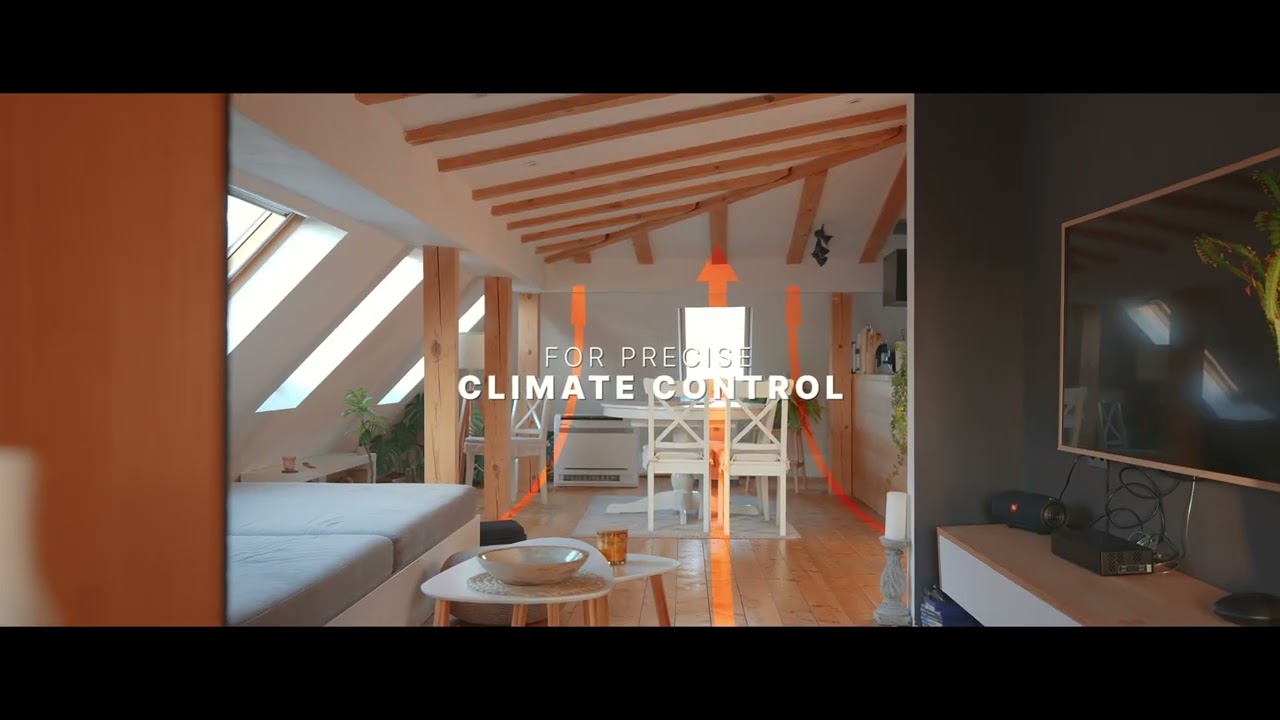
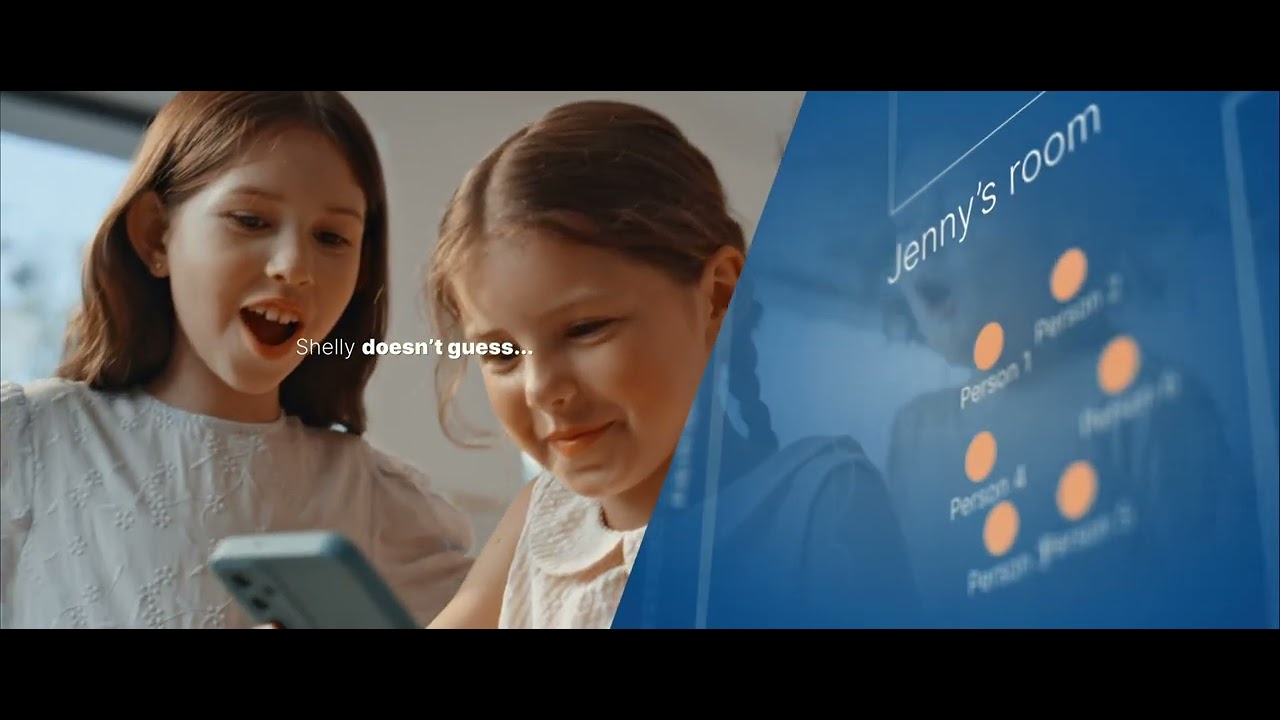
On Shelly Presence Gen4, most of the film is live action, with a lot of 3D and a few AI scenes. The goal was that nobody watching would ask which was which.
Sound is the secret glue
This is the part people forget. A 3D product with no sound is a render. Give it a soft click, the right room tone, a tiny bit of reverb from the actual space, and it's suddenly sitting in the room.
When I review a hybrid edit, I watch it once with sound and once without. If a shot feels fake with the sound off and fine with it on, the sound is doing its job - but the picture still needs work.
Watch the joins
If you're reviewing a hybrid film, don't pause on the hero frame and admire it. Play the whole thing at full speed and watch the cuts. That's where it holds together or falls apart.
Want to mix filming, 3D and AI in your next film without it looking like three films? Let's talk about it before the shoot.