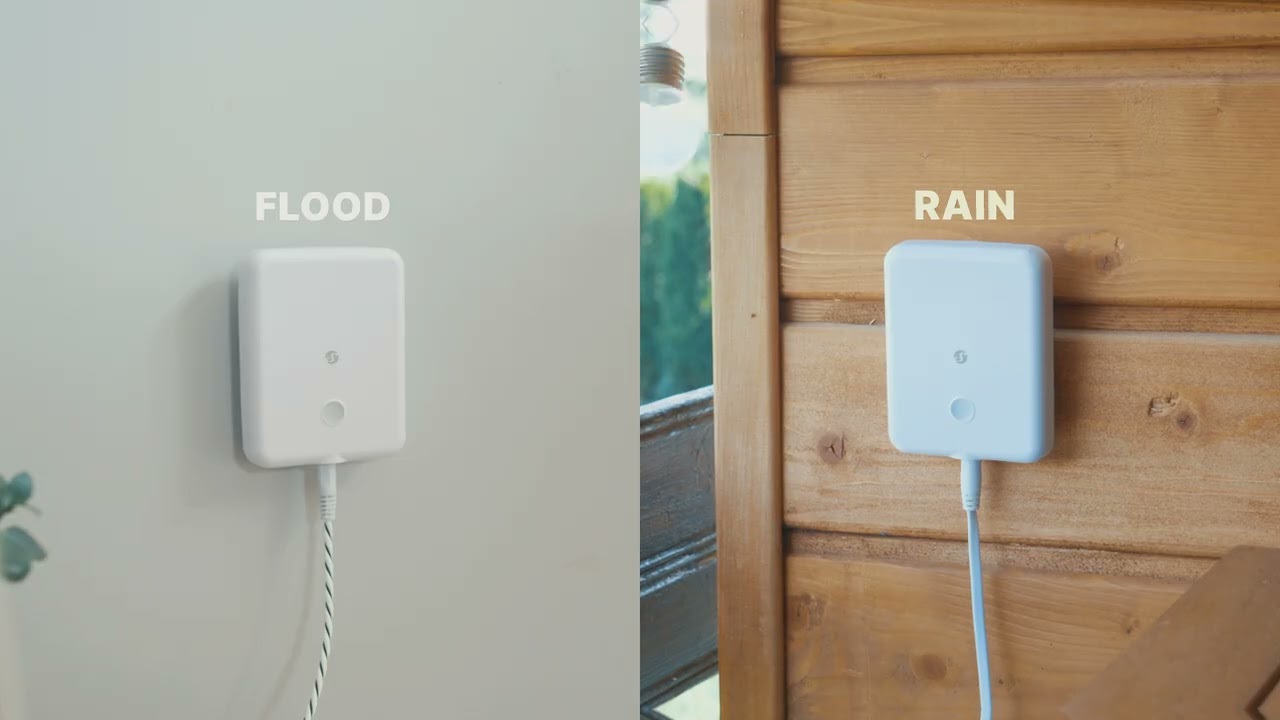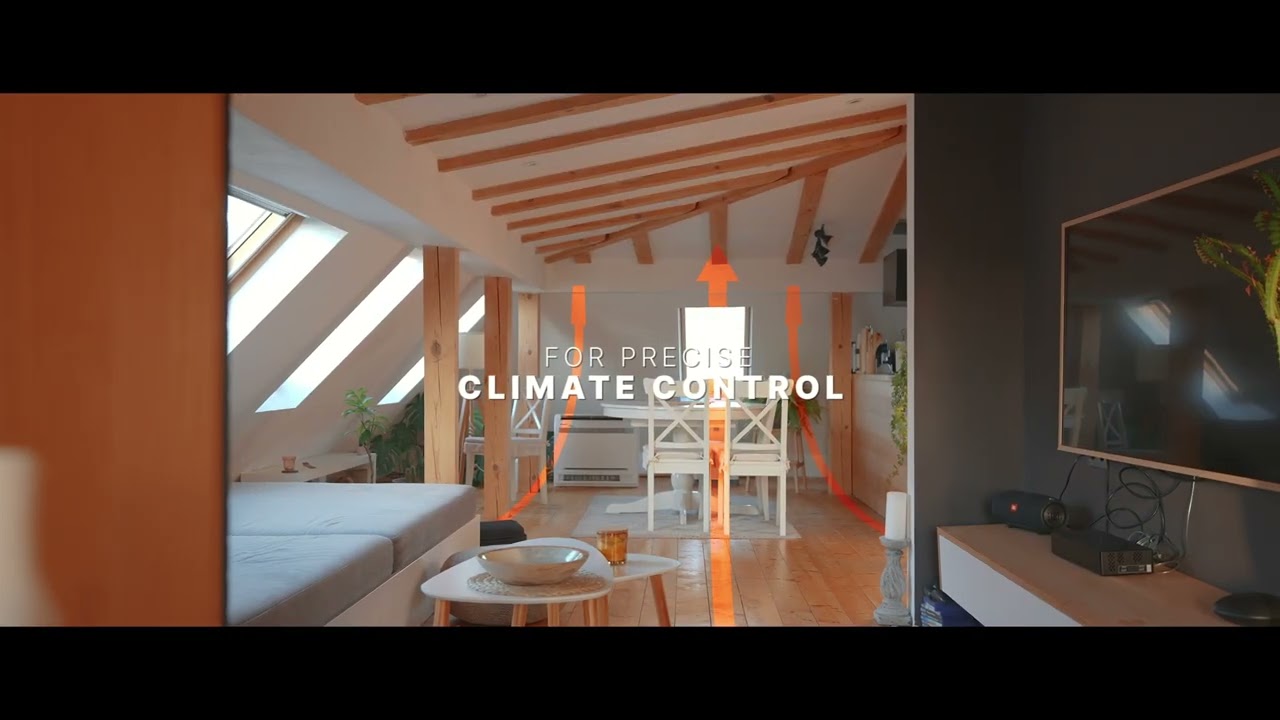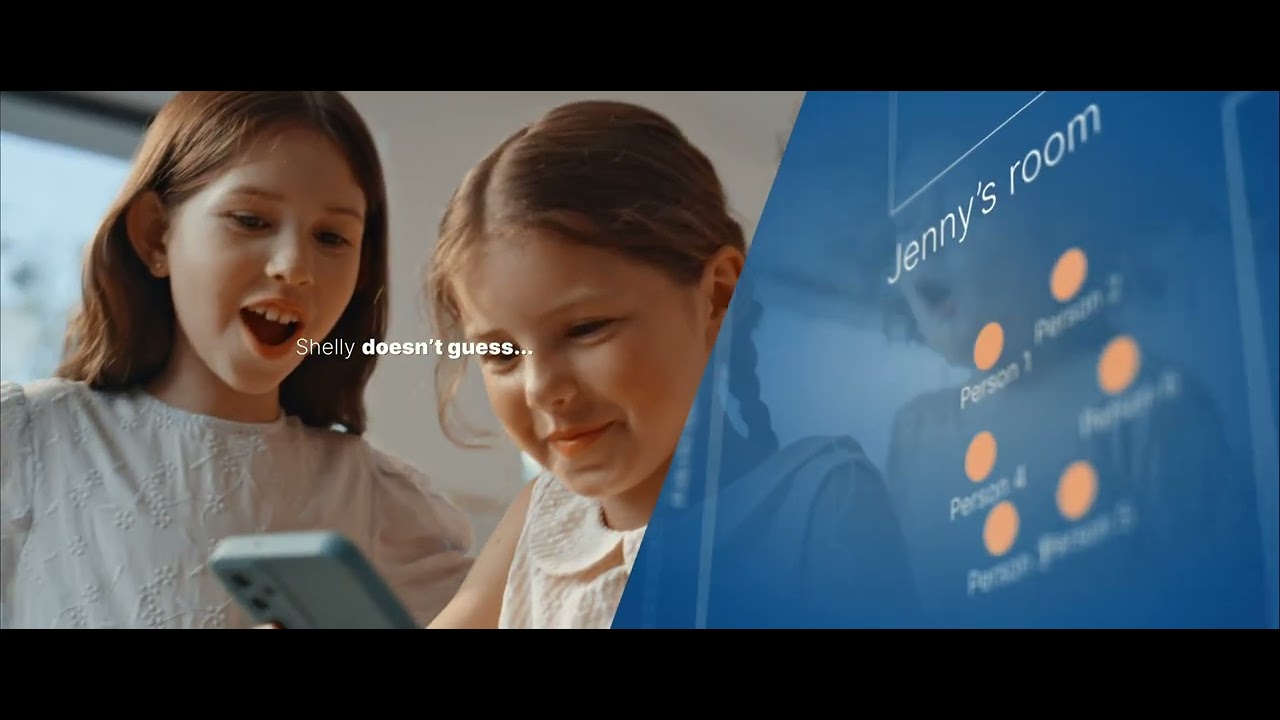


Nobody remembers "30-hour battery". They remember a guy waking up on a plane over the ocean with the music still playing. Same fact. One is a number, the other is a moment you can see.
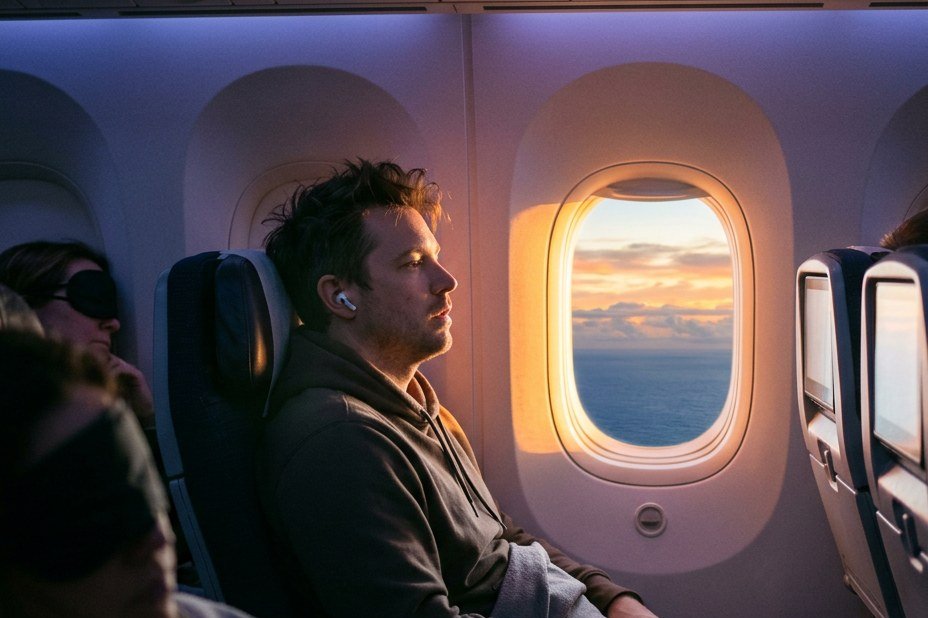
If you're looking for product video ideas, the best source is usually a document you already have: the spec sheet. Every line on it is there because it solves a problem for someone. The idea is the moment that problem gets solved.
The question that turns a spec into a scene
Take any line from the spec sheet and ask: when does this save someone? Not what it does, but when it matters, to whom, and where they're standing at the time.
- Waterproof: a phone dropped in the soup, fished out, still ringing.
- Noise cancelling: one calm face on a plane, next to a screaming toddler.
- Wi-Fi range: dad in the shed at the bottom of the garden, still streaming the match.
- Long battery: the last person at the campsite with a working torch.

None of these needs the spec on screen. The viewer works it out, and something people work out for themselves sticks better than something they're told.
Pick one spec, not twelve
A spec sheet has a dozen lines. A 30-second film has room for one scene, maybe two. Trying to show everything ends up as a list with music under it.
A useful filter: pick the spec your customers mention first, in reviews and support questions, not the one engineering is proudest of. We wrote more about choosing in "Your product has twelve features. Your ad has thirty seconds."
Put the product in the wrong place
When the scene still feels flat, move the product somewhere it doesn't belong. The place does the talking.
- A drone flying through a cathedral says quiet.
- A smartwatch on a medieval battlefield says tough.
- A robot vacuum cleaning the halls of Versailles says premium.
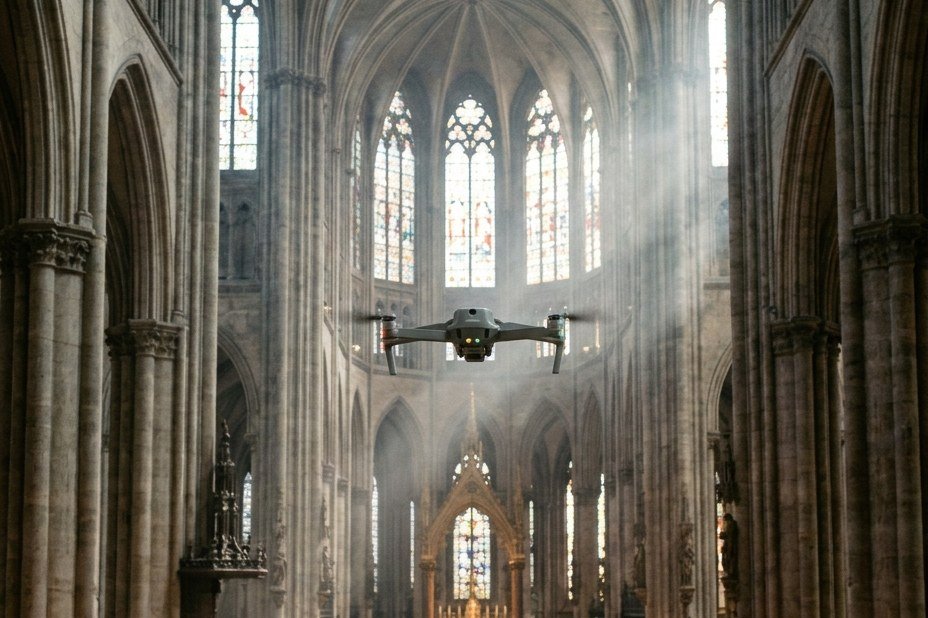
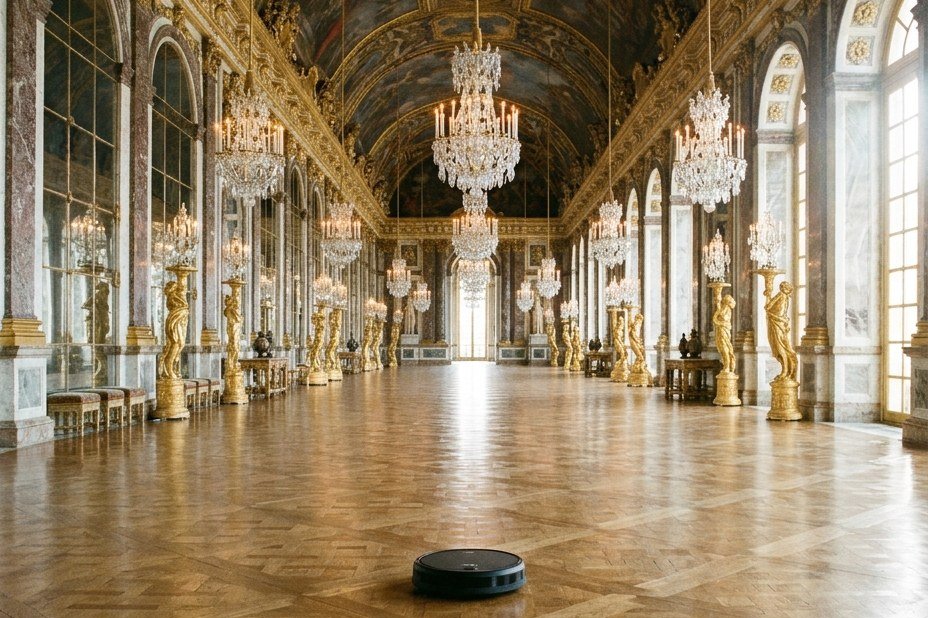
The contrast is the message. You don't need a line of copy to explain it.
Open inside the scene, not on the logo
Most product videos open with a logo and a slow fade. That's when people scroll away. If the idea is a scene, start inside it: the drop, a sound before the picture, a frame too close to recognise, the problem, someone's reaction, a question. The logo can wait for the end frame.
Try it with your team
- Print the spec sheet.
- Next to each line, write who it saves and when.
- Cross out every line where nobody can picture the moment.
- Of what's left, circle the one a customer would tell a friend about.
- Write that moment as one sentence. That sentence is the brief for the shot.
You'll usually end up with three or four scenes worth filming, and one worth building the whole film around.
The spec sheet tells people what the product is. The scene tells them why they'd want it.