Article
Live action, 3D or AI: how we choose for a product film
The technique should follow the product, not the other way round. Five ways to make a product film and when each one fits, with examples from our work.
It is tempting to pick the technique first - 'we want a 3D video', 'we want it made with AI'. We do it the other way round. The idea comes first, and the technique is whatever shows that idea best.
Start with what is hard to show
Every product has one thing that is hard to put on screen. A screen that has to sit on a wall. A sensor that does nothing until something goes wrong. Software with no physical form at all. That difficulty usually tells you how the film should be made.
Live action
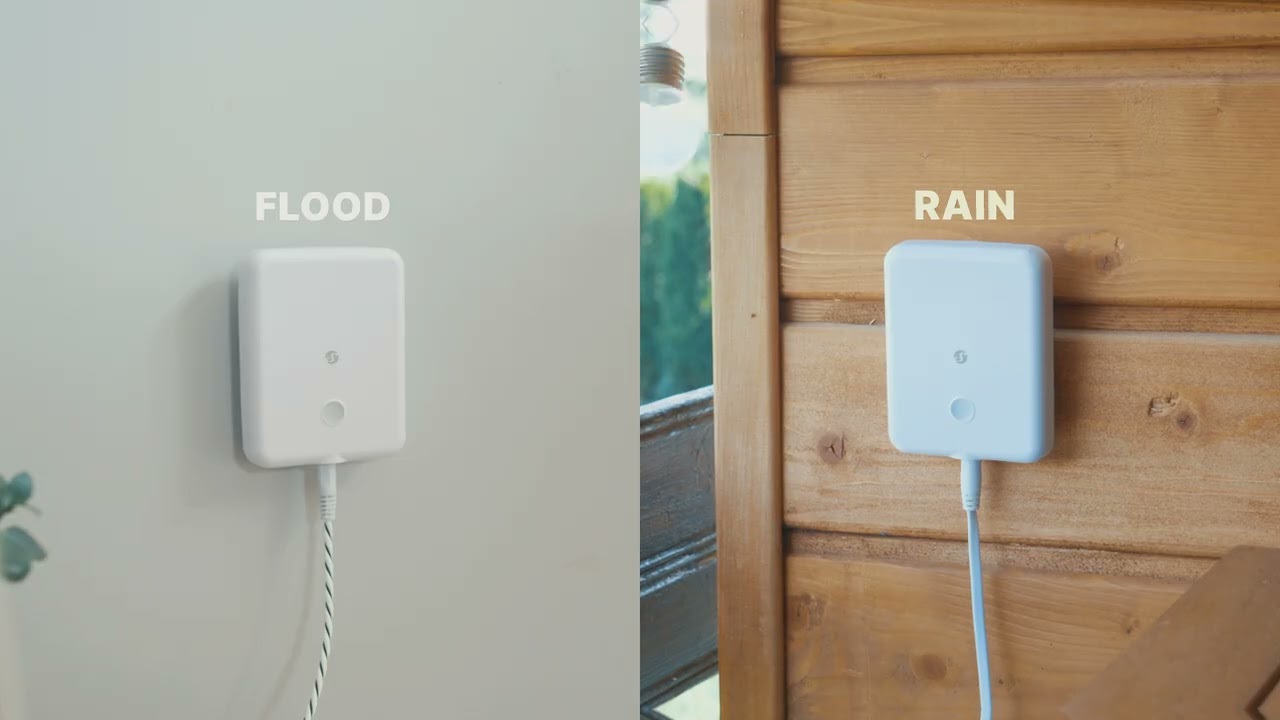
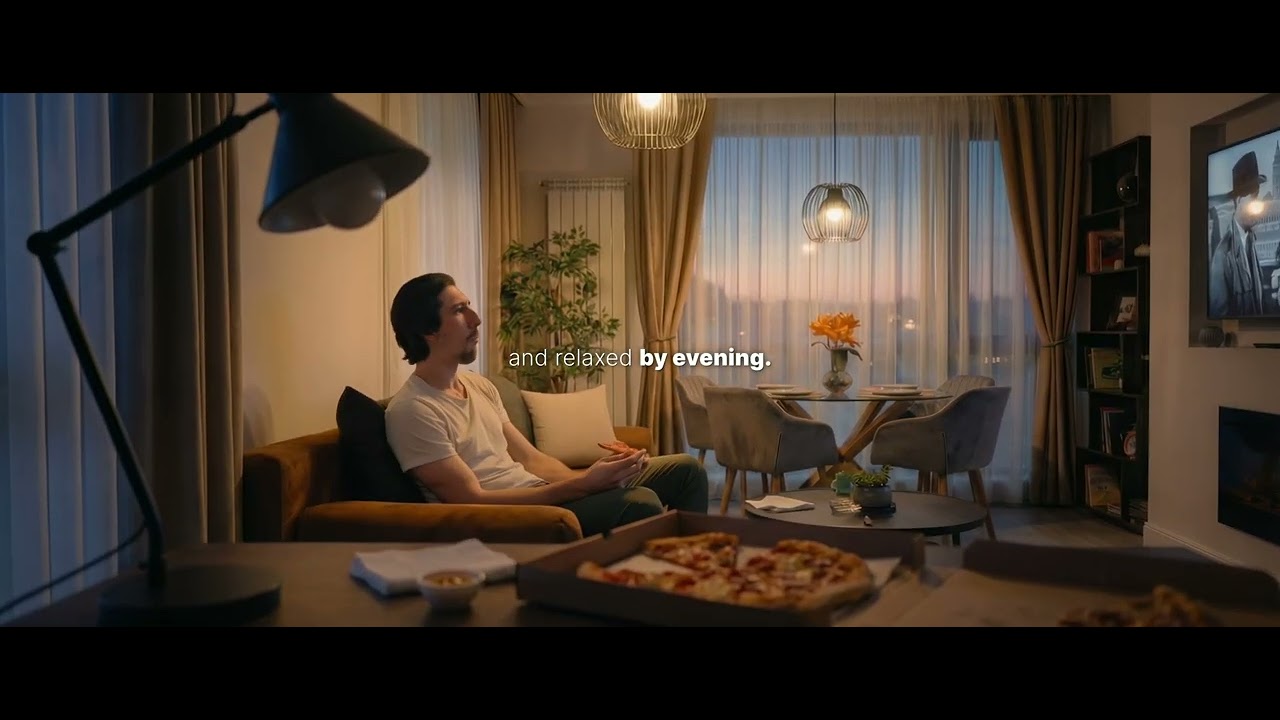
Crew, cast, location and the real product in front of the camera. It fits when the product is physical and the situation around it is the point. In our film for Shelly Flood Gen4, a leak sensor, the water on screen is real.
3D
For products that are hard to film or need to be seen from the inside. The display in our Shelly Wall Display film is a 3D model on a real wall - we filmed an empty wall in a rented apartment and added the product afterwards.
AI
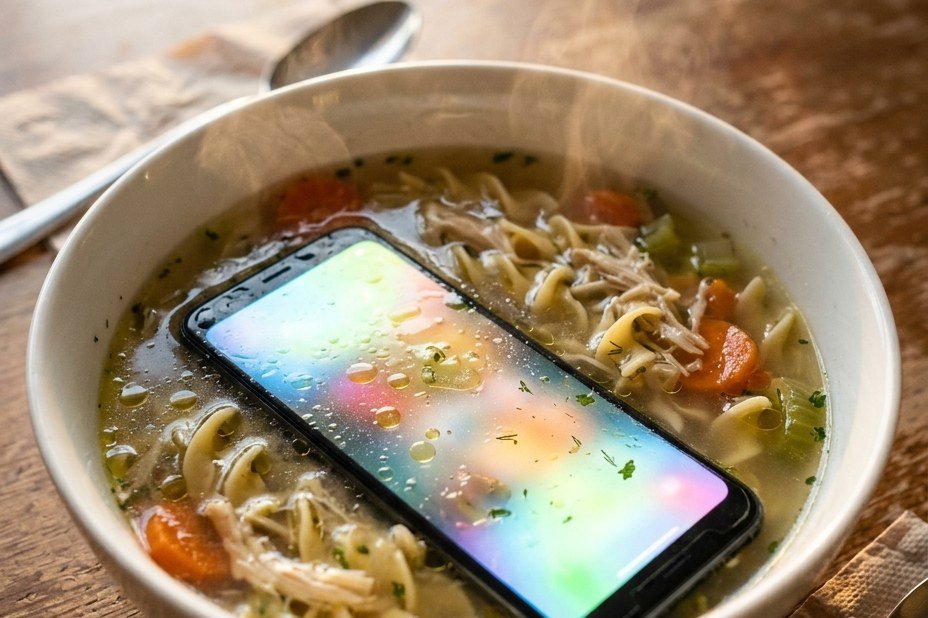
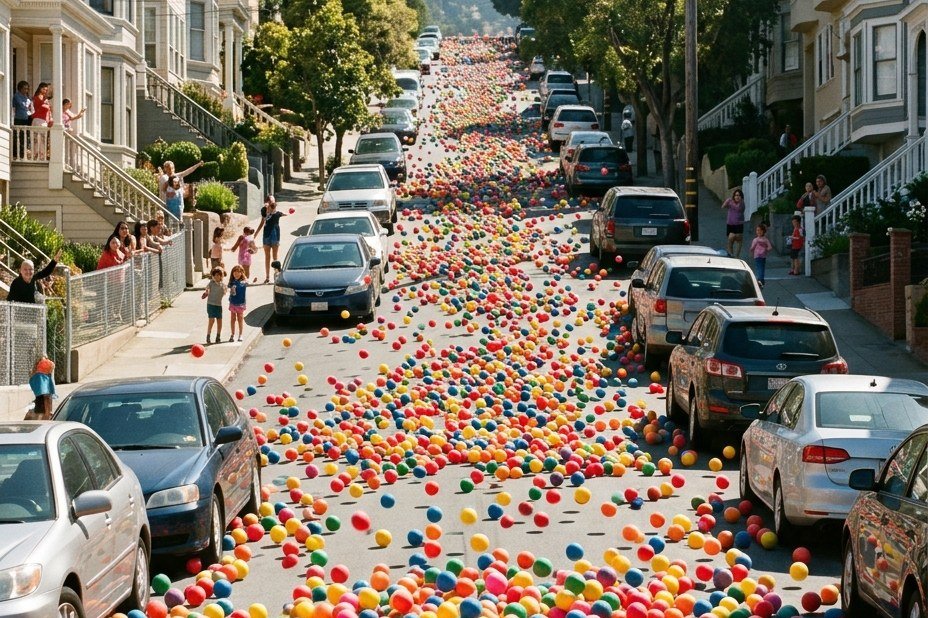
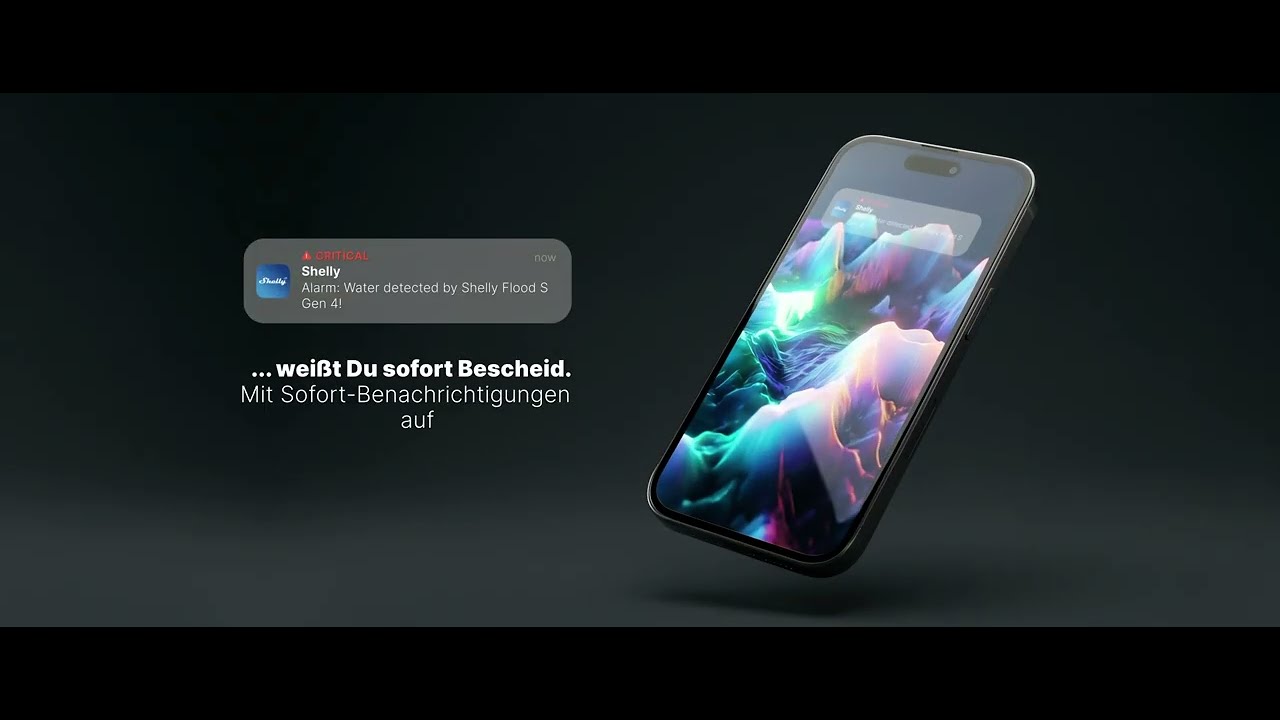
When filming is impossible, slow or simply not needed. Shelly Flood S Gen4 was made with AI-generated footage. The idea and the script are still written by people.
When the exact details of the product, an interface or technical accuracy matter, we combine AI with live action, 3D or animation instead of relying on it alone.
Motion design
For software and services you cannot point a camera at. We made two explainers for Nuvei, the payments company, this way.
Hybrid
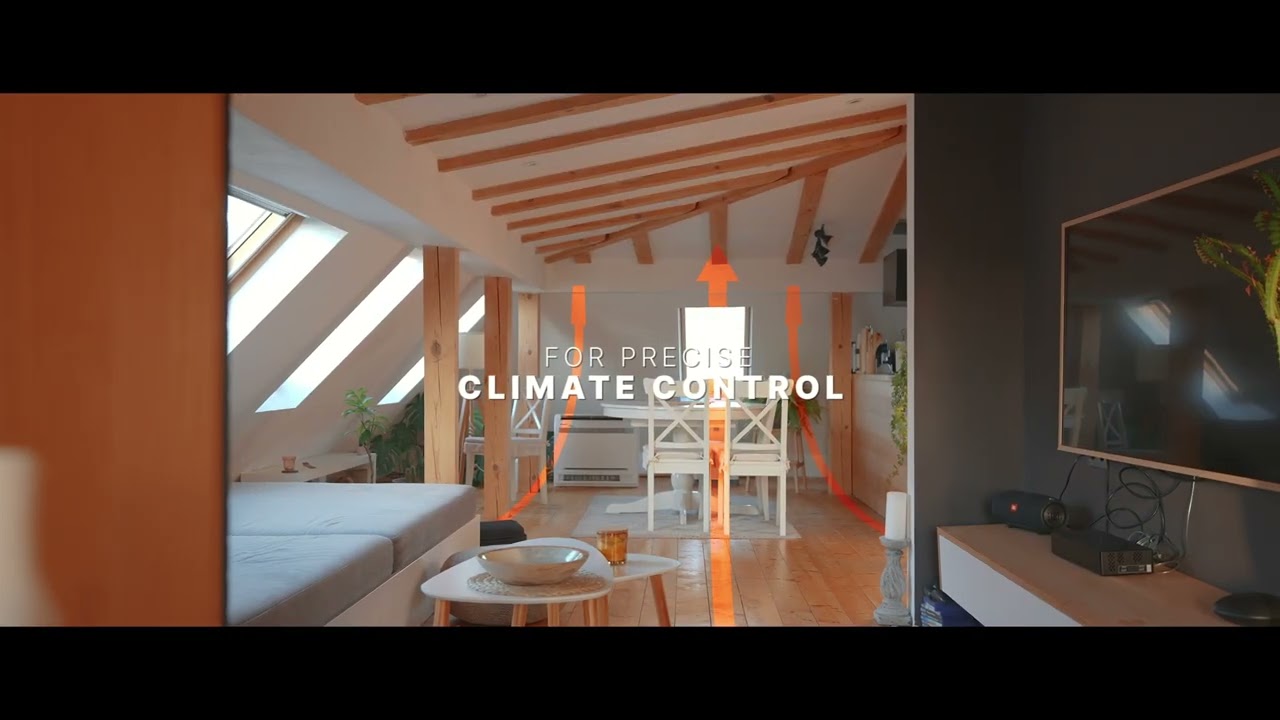
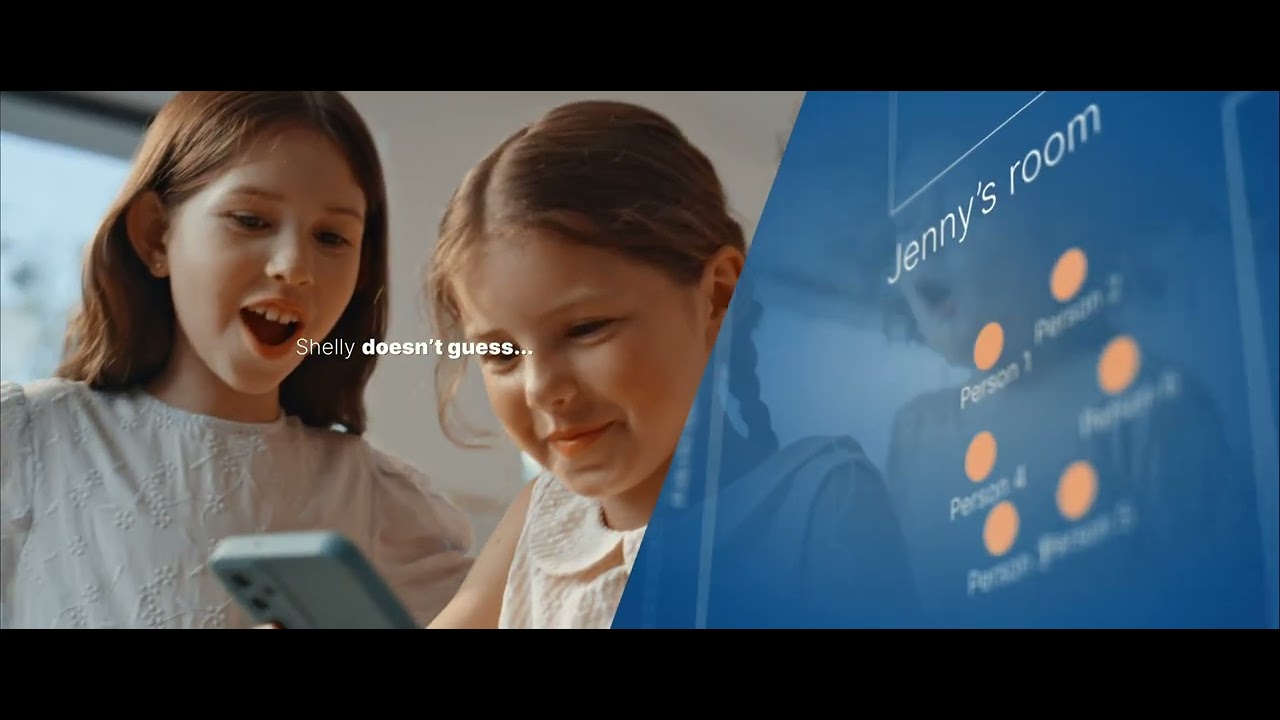
Most films mix techniques. Shelly Presence Gen4 is mostly live action, with a lot of 3D and a few AI scenes. Shelly Bulbs Gen3 is filmed, with AI-generated scenes mixed into the live footage.
What the choice changes for you
- Timeline - a film made with AI is ready sooner than one with shoot days and 3D.
- Cost - it depends on the shoot days, the amount of 3D, animation or AI, the number of versions and the voice-over.
- What you approve - the same in every case: the script and the storyboard, before production starts.
You do not have to choose
The technique is chosen after the idea, not before it. Start with what the film has to show, and the right method usually becomes obvious.